
THE SOCIAL BEES AND SYMBOL OF SUN
I don’t know if there is anything cuter but the bumble bee flying around in the early spring. It is like the touch of the new season, the kiss of sunshine and the rise of hope. Their buzzing and friendly behavior in our garden is like the music of nature, the calming of nerves.
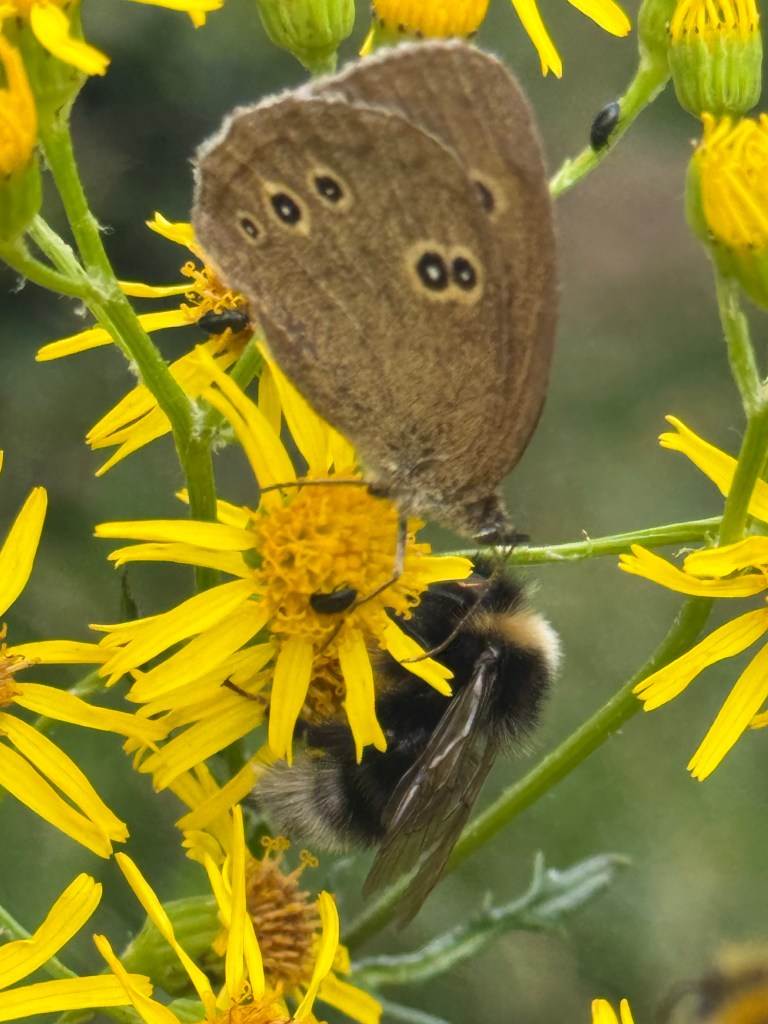
They are social bees that belong to Apidae family, as well as 250 another species of those humble bees around the world. They prefer moderate climate, but they have been noticed in tropical surroundings too.
These useful pollinators are very well known for their peaceful nature and happy work in our gardens or forests. They seem always busy with plants and that is exactly what we need – successful pollination and enough fruits, vegetables and plants.
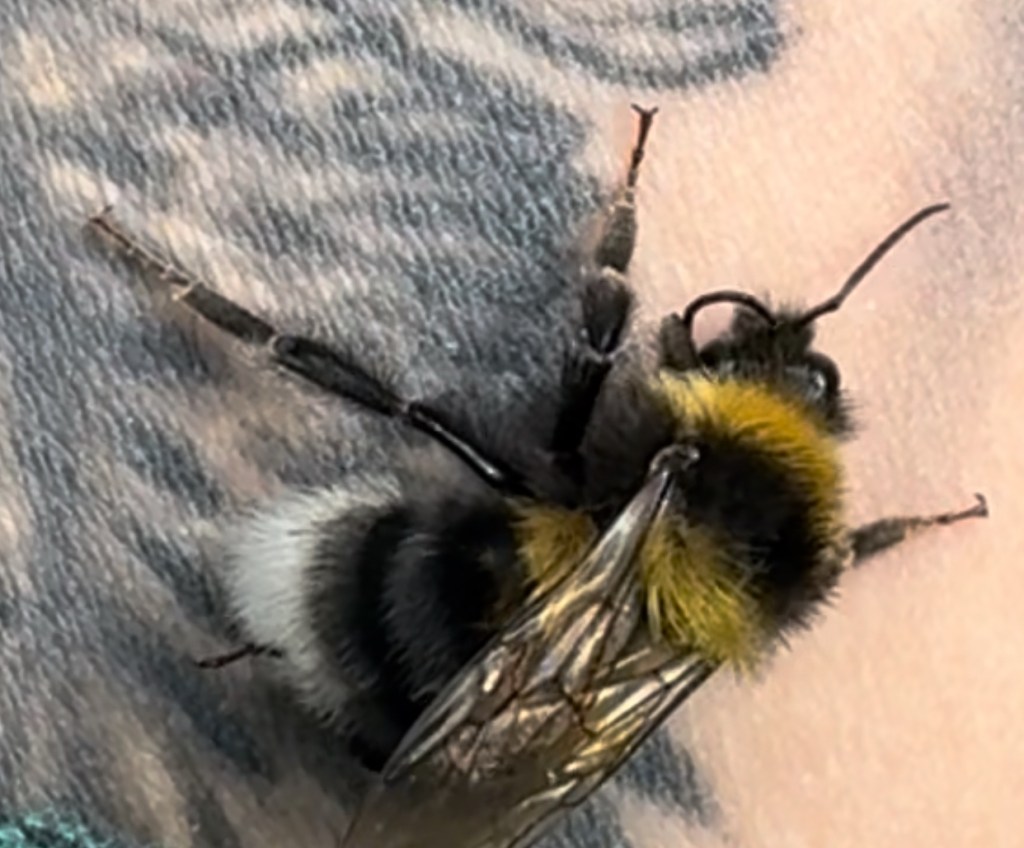
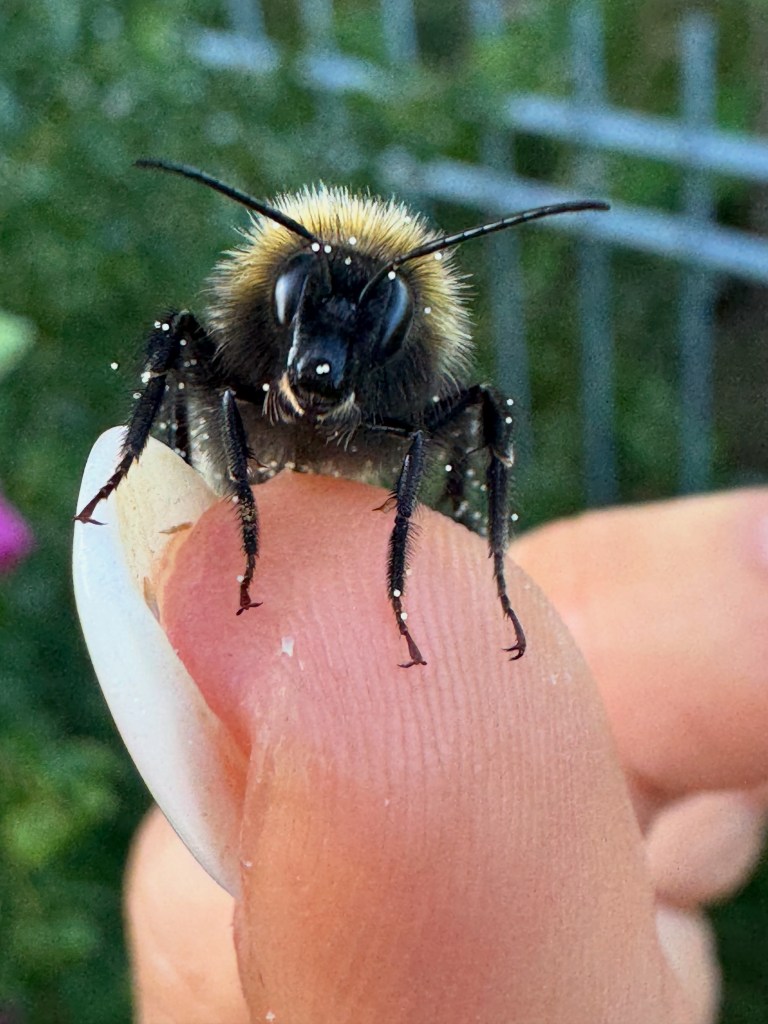
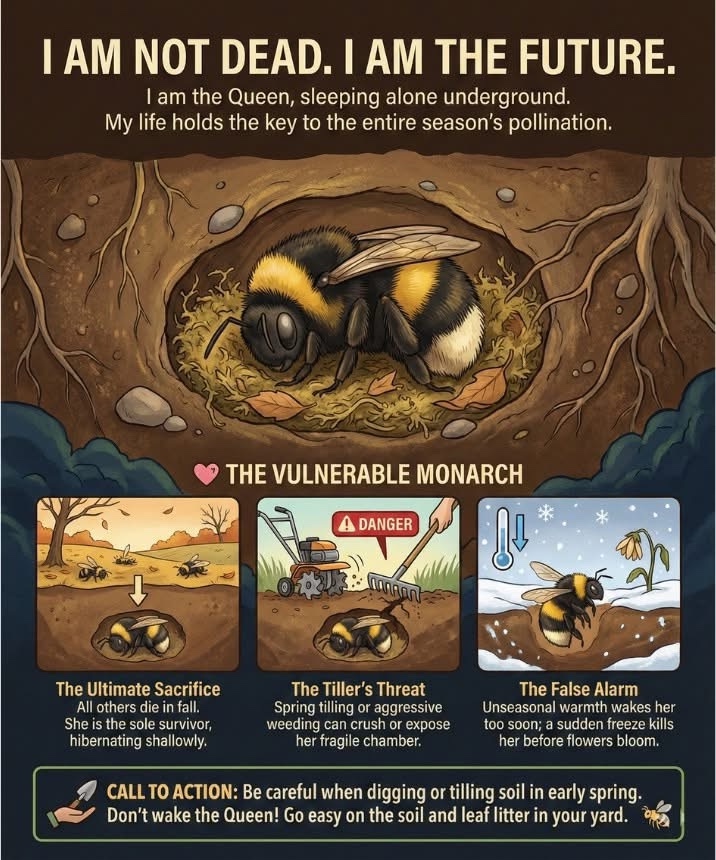
The bumble bees are robust and round, with 6 legs, fuzzy with black/yellow or sometimes orange design. They share some of attributes with honeybees and above all, they are social pollinators, living in colonies but through the winter is only one alive – the queen that is hibernating under the soil. They are focused on nectar and pollen from variety of plants, but I find it interesting that tomatoes and peppers depend on our cozy humble bees. Their ability to collect pollen and nectar and to perform special pollination due to their hairy legs is something worth admiring. Besides it, they do also wax production, mostly after eggs have been placed and for making nectar stations.
Did you know that they are also eusocial animals? According to bee researcher Noah Wilson-Rich :”Bumble bees are eusocial bees, similar to the honey bee, sweat bee, and carpenter bee. Eusocial animals are defined as “those that live in highly complex groups, with three additional requirements. These groups must have an overlap of generations, a reproductive division of labor (worker castes versus reproductive castes), and cooperative care of the brood.” In other words, these true societies have a reproductively dominant individual (typically a queen), and she lays eggs that are reared by individuals other than their mother — for example, by worker bees acting as nurses to the young.”
The people who are into beekeeping and honeybees are familiar with eusocial life and models. There is always queen that is leading the kingdom and turning into successful story of wildlife survival and pollination, as the most important task given by nature itself
They have lifecycles that are also like one of our honeybees friends. They go to the phases from egg, larva, pupa and adult. The queen is the one that is settling for nest, after hibernating winter, starting the new colony with her eggs. She lays her first lot of eggs and forages of food for the first group of bees. After she seals her cells with wax, she starts with incubating them. Those who come first are female workers or nursing ladies who take over the job from mother queen. What is exciting is that bumble bees have monandrous mating or female only mates with one male in her life. This shall provide that only the strongest genetics gets into the next generation.
Where do they live? Forget about hives, the humble bees choose one of the most extraordinary holes they manage to find. They have small houses with not so many members, especially if we compare to honeybees society. The hive might have 50,000 members and the bumble bees have usually up to 500. They reuse some forgotten hole, the wall gap or anywhere where it is suitable. You can let them just be and you will have hardworking pollinators around your plants. Some garden companies are even paying and placing bumble bee nests in garden center so they can perform the needed work with fruits and vegetables. You can even buy a bee friendly nest for humble bumble bee or make yourself one. It is not difficult and there is a big chance they will like it and use it.
Those critters have good acclimatization potential, and they have been seen around the mountain range. They can develop heat level they need with their wings and they also can cool down when it is necessary. They are almost like flying air conditions.
They do not make enough honey for us like honeybees but their role in ecosystem is not replaceable. Nature has created them as a perfect tool of pollination and life process among plants. The bumble bees are smart, engaged, never aggressive, only in the case of attacking their nest, can they develop defensive methods. Even then, if you encounter them , they warn you first before they sting you. The male bumble bee is even without any weapon, only there for his future queen mate.
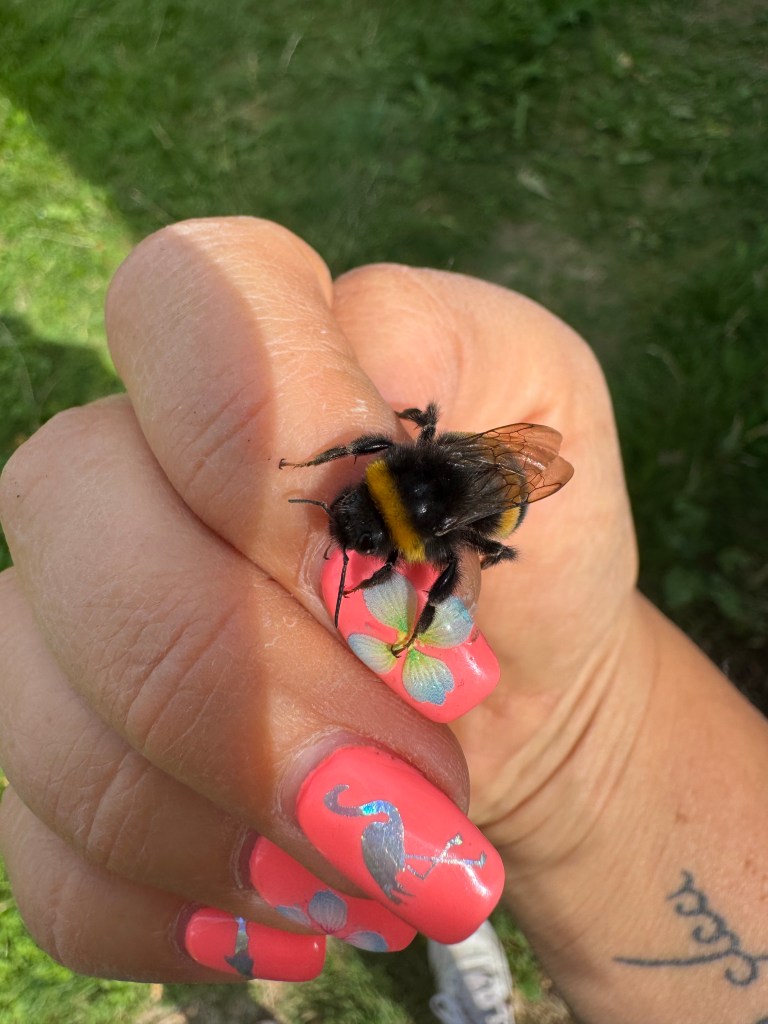
I had many of them in garden last summer. I provided them with fresh water and safe landing on the water source. I even petted them and they never complained. It was such a nice time that brought a lot of relaxing moments. That reminded me of Bumble Bee Breath as mediation option for stressed people.I even visited them, took them into hand and helped them with sugar syrup so they can survive lack of food. It was so nice hanging in with them and learning about them, directly. They learnt me that being fast is not always the best solution because sometimes calming movement are better for health and mental stability. The garden full of buzzling creatures is a sign of balanced nature and happy environment where each single living form does its job the best way it can. The bumble bees aren’t just insects and pollinators, they are magical guardians of the unseen world around us.


 SARAH MAX RESEARCH
Sarah’s delightful and informative article induced me to recall to mind the actual DNA divergence of Bumblebees…
Bumblebees are estimated to have first emerged and diversified on Earth c. 40 million years ago. Originating in the Himalayan region of Asia, these insects evolved during The Late-Cenozoic Era, with major subgenera established by The Miocene Epoch, c. 15 million years ago.
Bumblebees diverged from other bees (e.g. honeybees and stingless bees) as an adaptation to cold climates; evolving 40 million years ago in foothills of The Himalayas. This divergence was driven by the need to survive in high-altitude, temperate and cold regions; resulting in unique physiological and behavioural traits.
As global temperatures fell during The Eocene-Oligocene boundary 34 million years ago, early ancestors of bumblebees adapted by becoming larger and rounder, to benefit heat retention. They developed thick hair for insulation and the ability to vibrate their wing muscles to generate body heat; allowing them to fly in cooler temperatures and lower light levels than other bees.
Unlike honeybees, bumblebees evolved to perform sonication, where they vibrate their muscles to release pollen from flowers that require this specific technique.
Bumblebees established a different, more primitive form of eusociality compared to honeybees, with smaller colonies and queens that hibernate; eliminating the need to produce large, winter-surviving honey stores.
The uplift of The Pamir Mountains and The Tian Shan Mountains provided a bridge for bumblebees to disperse across Asia, Europe and North America. They evolved in Asia, which still hosts the greatest diversity of bumblebee species today.
The generic appellation ‘Bombus’ derives from the Late-Latin for ‘buzzing’ via The Ancient Greek ‘βόμβος’ (i.e. bombos). French entomologist Pierre-André Latreille (1762-1833) documented the insect in 1802; applying the Grecian adjective.
However, it was Charles Darwin who first articulated the bumblebee’s intrinsic role in pollinating clover and various wild flowers in his treatise ‘On the Origin of Species’ (1859).
LikeLike