
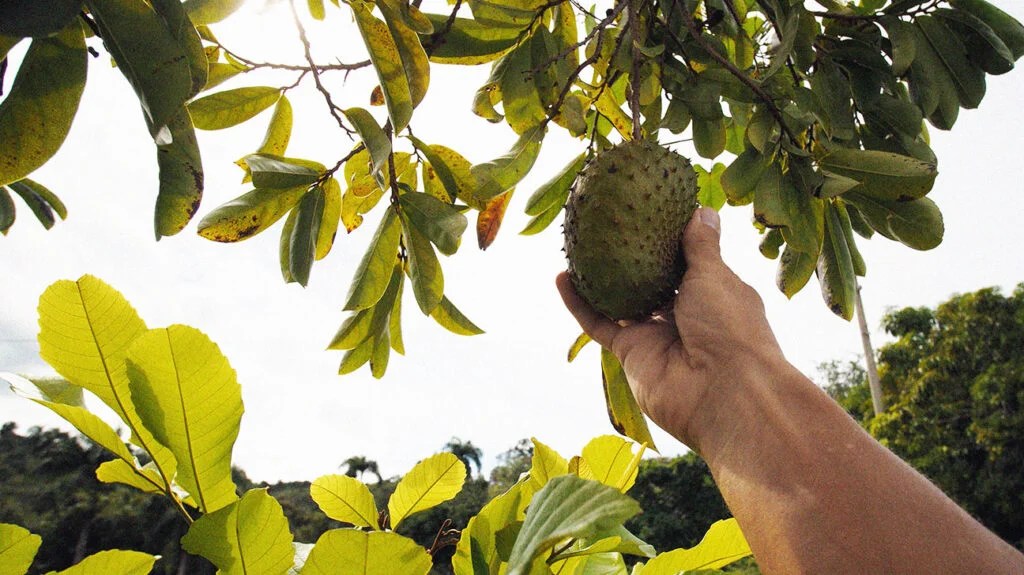
SOURSOP BRINGS NEW HOPE
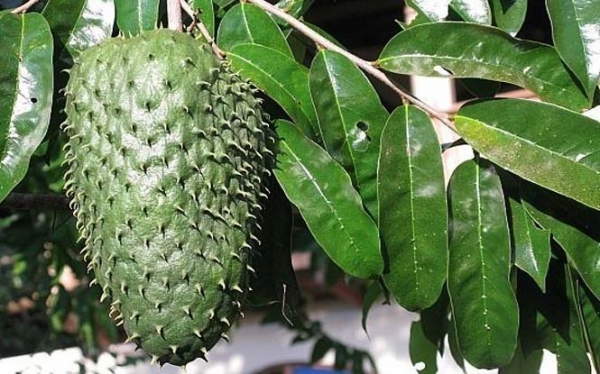
The Brazilian paw paw fruit or known as graviola/soursop is very popular in alternative medicine. The reason for it is the numerous lists of health benefits that help people deal with challenges. Those challenges could be seen in different types of virus and bacterial infections, auto-immune sickness or even cancer.

What is so special and authentic about this exotic south American fruit? Everything, according to scientists. Leslie Taylor is the author of “The Healing Power of Rainforest Herbs” and this plant belongs to Annonaceae family and with its acetogenins, has been a game changer due to the chemicals that have anti-tumorous and antimicrobial activity. The scientific studies recently discovered that these acetogenins are inhibitors of enzyme processes that are seen in membranes of cancerous cells. In other words, graviola attacks the evil cells and protects the good one. That’s exactly what is the main attribute of super food, that is part of our nature.
Beside its work against cancer, it shows admirable efforts in fighting depression, viral and bacterial inflammation, depression and even expels the worms and brings balance to the neurological system.
The ancient cultures had the special connection with the treasures that are hidden in nature. Many of them included graviola in daily health and healing routine. It has been used for diarrhea, headaches, parasites, childbirth, abscesses, dysentery, edema, heart conditions, fever, skin conditions, indigestion, inflammation, depression, hypertension, asthma, nervousness, fungal infections, malaria, kidney problems, as a sedative or anti-depressant.

If you travel across the Latin America, you will have a pleasure of testing delicious juice of Guanabana. Sometimes, you even don’t guess that refreshing fruit is also ticket to health success. Dried Graviola leaves are to be found all over in South and Central America, and they are used in making tasteful tea. This tea is also very good in healing cancer or just preventing it: “The major bioactive compounds identified in Annona Muricata have been classified as Annonaceous acetogenins, which inhibit mitochondrial complex I that leads to a decreased ATP production,” researchers found in 2012. Overall, the compounds that are naturally present in a Graviola extract inhibited multiple signaling pathways that regulate metabolism, cell cycle, survival, and metastatic properties in PC cells. Collectively, alterations in these parameters led to a decrease in tumorigenicity and metastasis of orthotopically implanted pancreatic tumors, indicating promising characteristics of the natural product against this lethal disease.”
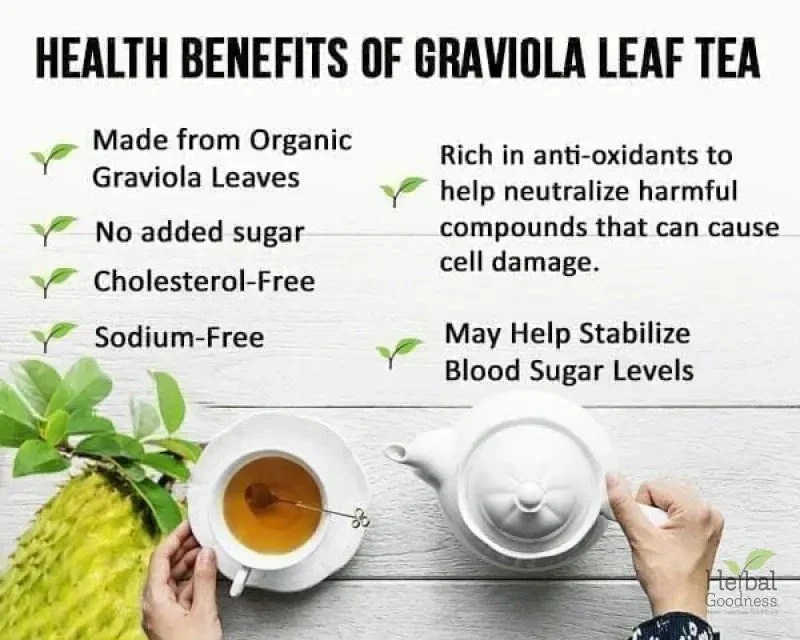
Of course, we shall be also informed that excessed consumption of graviola could activate alkaloids that could impact the neurological problems and issues. So, lets say, all what is consumed moderate is good. The real science has lots of positive feedback about the graviola medical influence and there are many ongoing studies. The modern west wellness therapy and seeking for alternative medicine brought us to the old, good soursop that has been one of the favorite food by old cultures and indigenous tribes. It is not accidentally. The old traditions and people of ancient world knew how to be in harmony with the nature and how to cure themselves without regretting.

Personally, I believe that we have all cures in the nature, in the plants. We must research and trust in the nature before we accept the serial production of pharma industry. This is not anything against valuable pharmaceutical efforts to make our lives easier, but it is for celebration of nature as a key player in our daily lives and struggles. I don’t recommend that you split from conventional medicine but to enhance your sensors for natural treasures and cures. It is not only about healing, it is also about successful preventing. The only one asset that has no price is health. Once it is lost, there are no other wishes or hopes. There is only one thought and thrive, being healthy again.
Wish you to enjoy delicious graviola and let you heal you the best way it can.


 SARAH MAX RESEARCH
Sarah’s interesting and informative article reminded me of Fernández Oviedo y Valdés (1478-1557); an Iberian botanist, ethnographer and colonial official…
Already, Iberian explorers had written basic information about the graviola, but none had realised there were hundreds of species of the custard apple across the tropical regions being explored by the Iberians, then. In 1519, Fernández Oviedo y Valdés wrote own a more definitive description of Annona squamosa (i.e. sugar apple), from studying them in Panama. He had arrived there in 1514.
Erroneously, Fernández Oviedo y Valdés gave the custard apple the Taino name ‘annon’, which means ‘fruit’. The Taino were not native to Panama, but their language was well-known among Iberia sailors, etc., who interacted with them in their native Caribbean Island areas.
LikeLike