
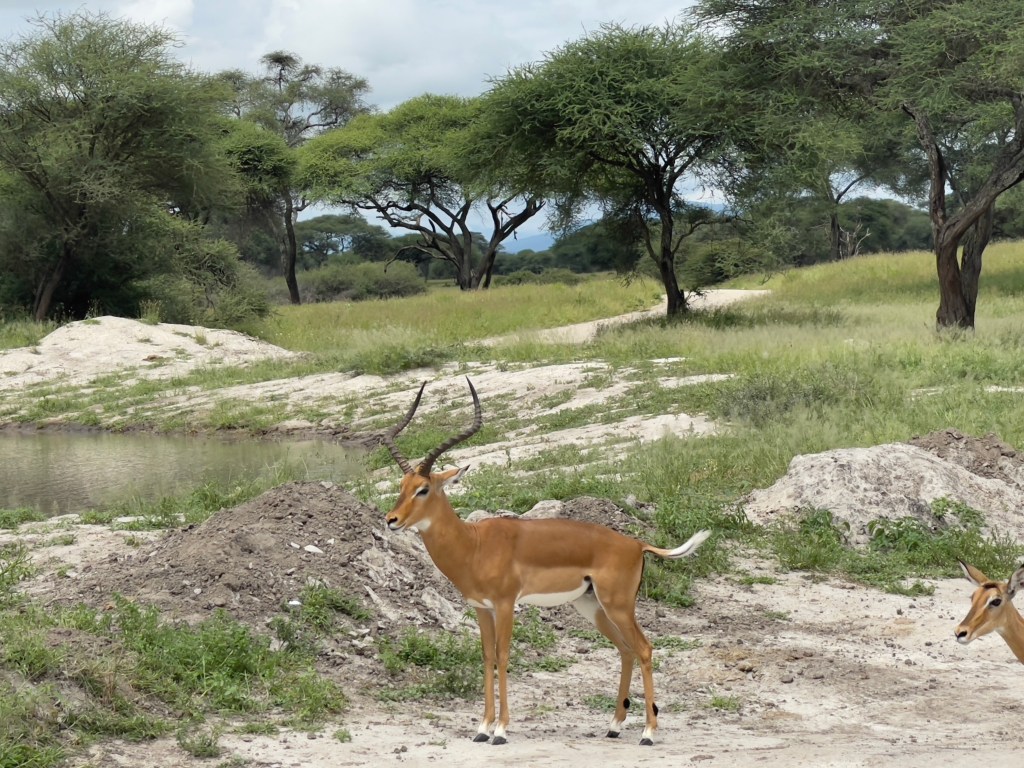
THE ONE OF A KIND LOOK LIKE MIX BETWEEN GOAT AND DEER
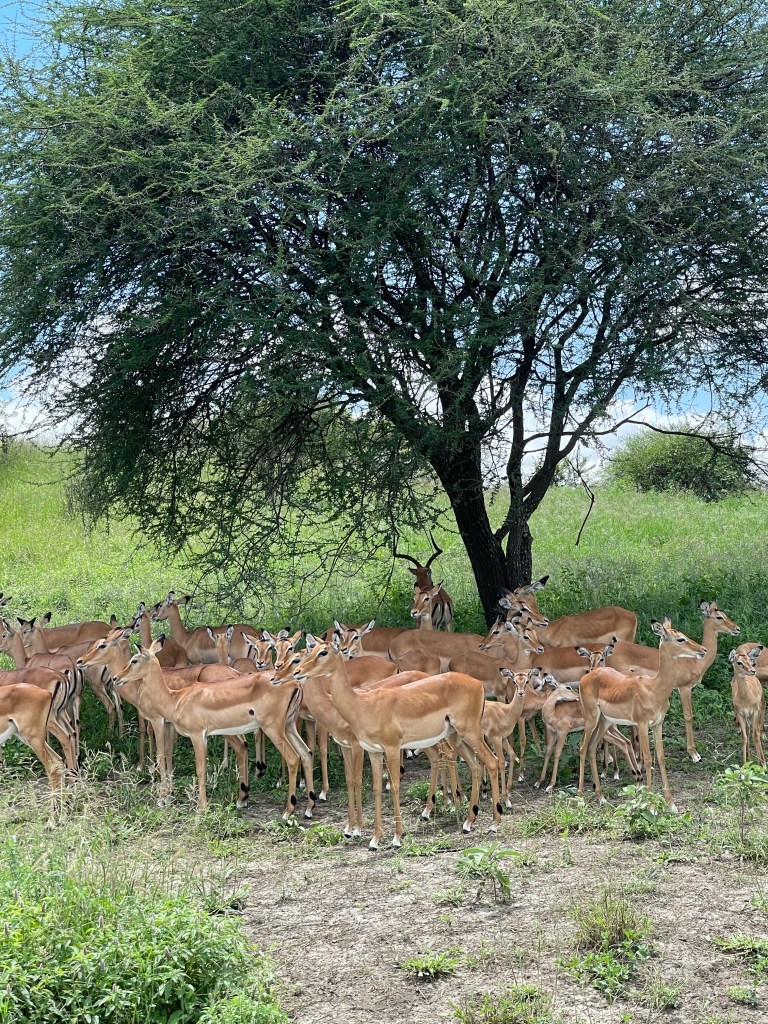
The impalas are known to be the members pf Bovidae family, that is related to sheep, goats and cattle. It is interesting that those medium sized antelopes are actually very specific but not so popular in public like other animals. Usually, people find them cute part of the food chain in African circle of life. Nevertheless, the impalas are fast, curious, sensible and intelligent mammals that are located in the savannah and grassland so they could be seen in Kenya, Tansania, Mozambique, Zambia, Botswana, Namibia but also in Angola.
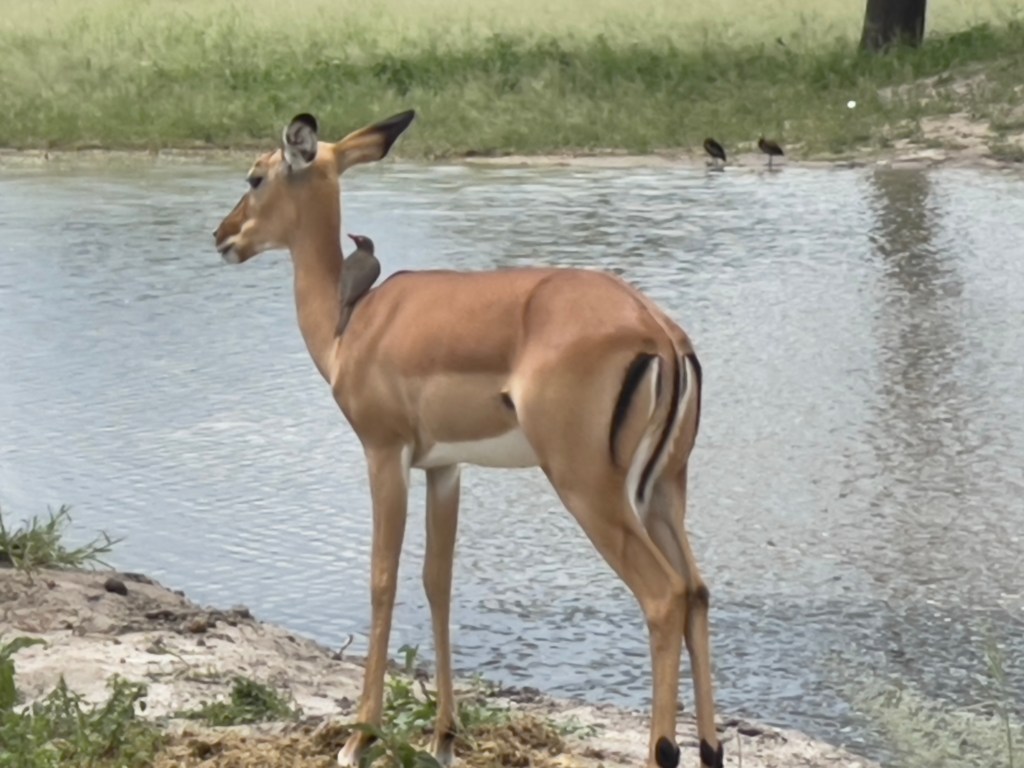
These interesting animals are diurnal which means we can spot them early in the morning and somehow before sunset. This help them to organise the protection and keep the visibility when the predator is on the site and according to the science:“Impala animals have an innate sensibility when it comes to avoiding predators. For example, they tend to drink in the hottest part of the day from rivers or other sources of water, aware that their enemies tend to be sluggish or sleep during that time. Also, pregnant female impalas give birth around midday for the same reason–there will be a lower risk of a predator laying in wait to attack. If a herd encounters a lion, leopard, cheetah, or other predators, they will scatter in many directions to confuse the attacker, while kicking their hind legs to release a scent from glands in the feet to help them stay together or regroup.”
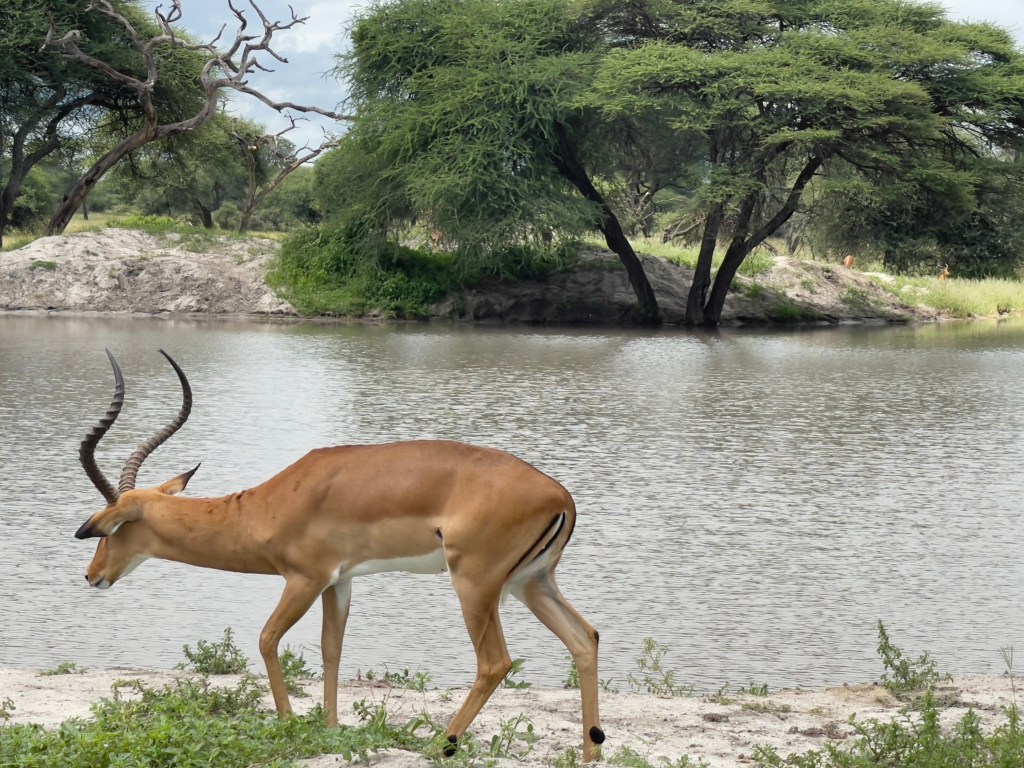
When there is a rainy season, they form the groups of hundreds while in the dry period, the herds are gathering and roaming for food. They are not so big ( the size of the large dog) but still fascinating especially if we know that their horns can grow up till the sam length as the body height. Their scientific name is Aepyceros melampus, which originates from the Ancient Greek language and the Aepyceros means `high horned` and melampus meaning ´black foot.´. The adopted name impala comes from the Zulu language. The female impala or or ewe is known to be without horns while males do have twisted, long horns.
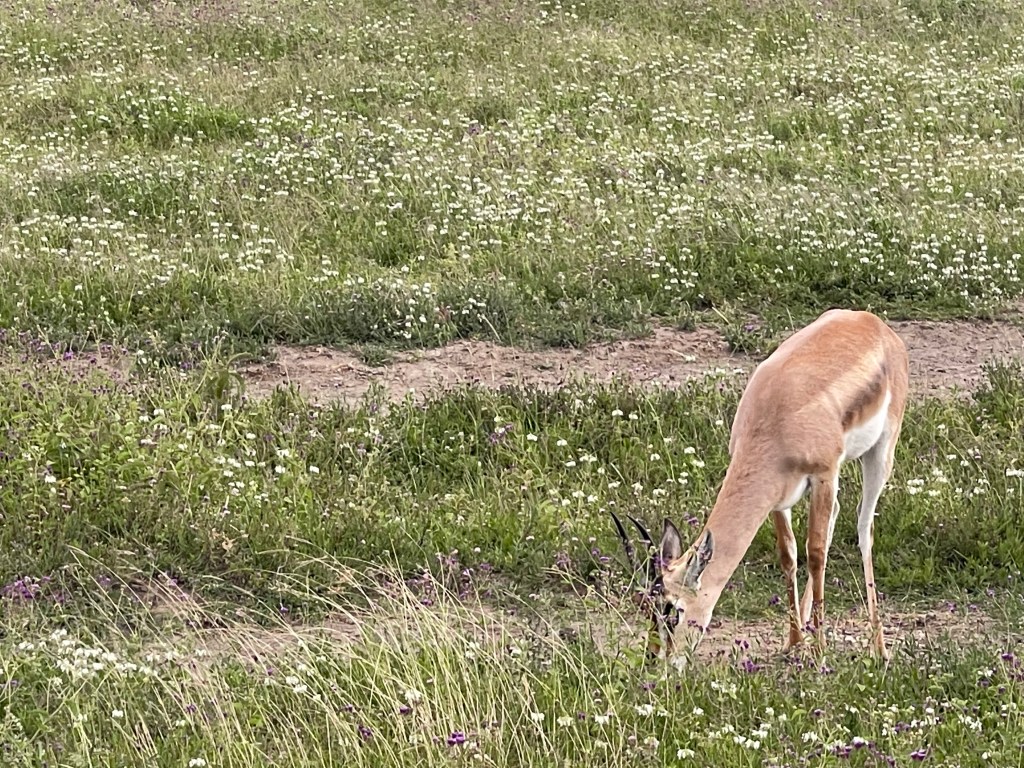
Those beautiful animals are herbivores that are very easy to adapt on the current situation with the vegetation. They enjoy eating fresh grass but if it is not available, they will make their stomach full with bushes, fruits, acacia pods and shrubs. On the other side, they are picky about the water. The dirty water source is never the first choice and this will mean that the animals keep themselves hydrated though the green vegetation.
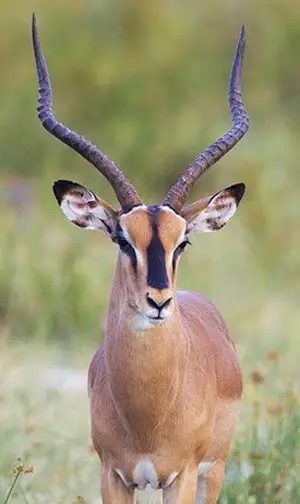
As we already know, those attractive antelopes do have many predators, starting with lions, cheetahs, leopards, hyenas, wild dogs and crocodile. They have to be careful no matter what they do and how they do. The danger is lurking from all over the nature because of their crucial role in the food chain. Since they are great runners and athletes, it is not easy for raptor to reach them but if that happens, that will only tell us that poor impala has been absent in caution measures and deep in the own thoughts. Usually, they live on high alert and ready to escape the trap as soon as possible.
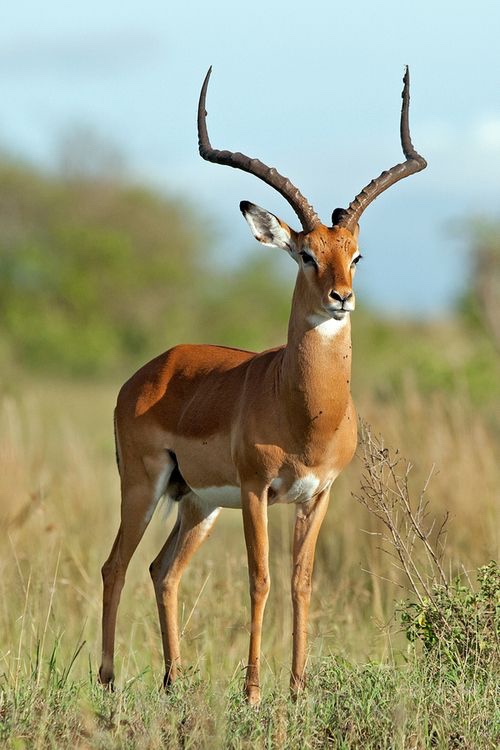
The mating season is known to be pictured by the dominant male who attract the females. The young, non-experienced or week males are gathering together, waiting for mating season to be ended so the herd could be managed as before mating season. After 7-8 months of pregnancy, the baby will be born. It is mostly one offspring which stays with mom in den for some time, before they both join to the female herd and nursery section. When they are one year old, the boys leave the group and join the bachelor herd while girls stay together, preparing for next mating cycles. I find it very well organised that there are 3 types of impala herds. We can reognize all -females herds, led by one dominant male; bachelor herds and mixed sex family herds. The bachelor herds are not so big like the two other herds and they are something as cohesive group of what ecologist Deon Furstenburg described as “sexually mature, but socially immature rams.”. The impalas have lifespan up to 15 years and in captivity, without being under the risk, they can reach up to 20 years of life.
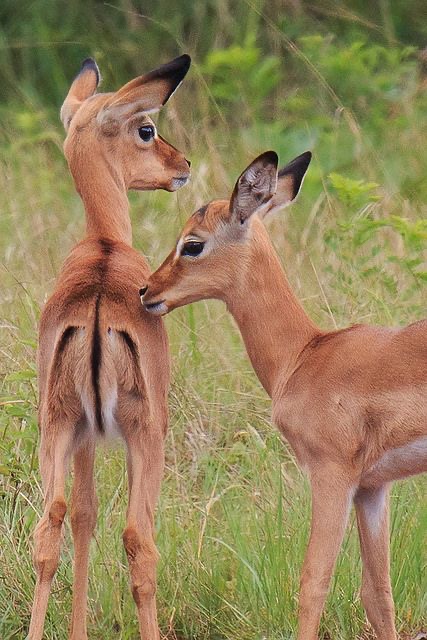
The good news is that these attractive animals aren’t endangered according to the conservation records. There are about 2 millions of impalas left in the wild and the number is growing. The majority of them live their life without environmental risks and they are not a concern to be lost. Some subspecies are varying with the increasing/ decreasing number of individuals but there are certain steps done for them to be gathered and protected on the defined areas.
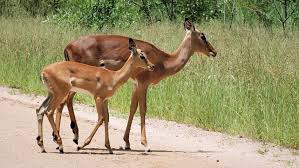
The frequently asked question is what is actually the difference between a gazelle and impala ? There is a wildlife reply to it: “The main difference between a gazelle and an impala is that gazelles are a group of related antelope, while impalas are antelopes but don’t belong to the large taxonomic group known as gazelles.“. In other words, to understand this categorisation better, impalas are antelopes but they aren’t gazelles. The both genders of gazelles have horns and that’s how you can spot the main difference key between those mammals. To make it easy, there are about 91 species of antelope in the world and 72 of them are located in Africa only. Thats why I love this content so much. The mother Africa. Beside it, antelopes aren’t deer, they just share the same big family name. The deer have antlers that shed very year and antelopes have permanent horns. Not to mention, that only gazelle are so impressive in their jumping or stotting, when all 4 hooves leave the ground at the same moment. This is so called escape tactic, strategy for way out from the danger.
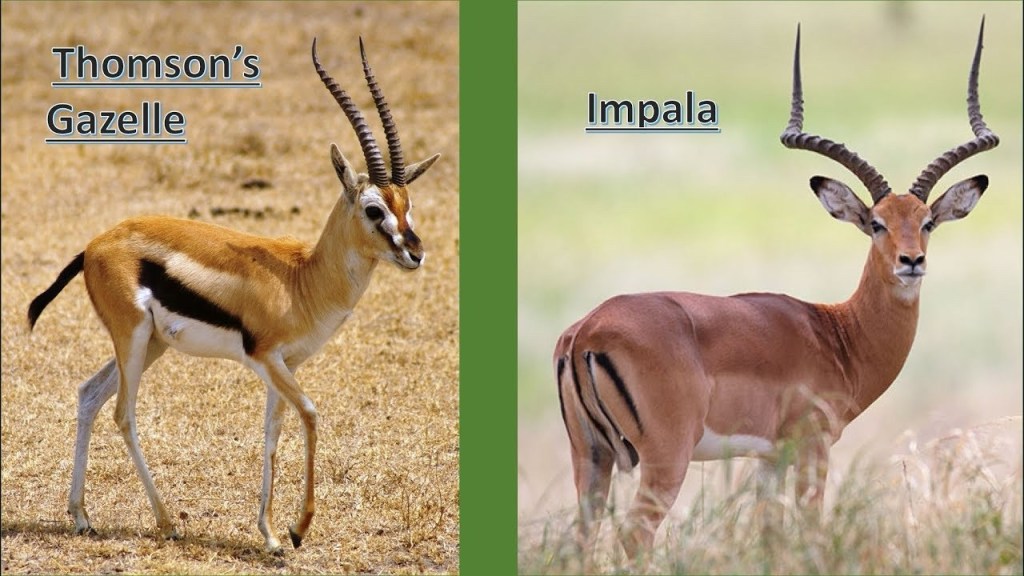
So, next time when you see those amazing animals roaming the sunny wild area of Africa, do not ask yourself if that is gazelle or impala, give a try and learn it. You will be supposed how nice feeling is to look at them and to know how precious are they, each of them, being wild and free, out there.


 SARAH MAX RESEARCH
Sarah’s informative and delightful article reminded me of the Germanic influence of how Europeans came to know about the impala…
The Germanic scientist Dr Heinrich Lichtenstein (1780-1857) spent several years in Southern Africa documenting anthropological, zoological and botanical information (1802-06). In 1806, he lived among the Tswana people of what is now northern South Africa. He learned of their word ‘pallah’ (i.e. red antelope) and mistook the idiom for a dialect of Xhosa: not until 1875 would the Zulu noun (i.e. ’mpala) Sarah refers to be adopted by European lexicons.
Dr Heinrich Lichtenstein first published his notes on the impala in 1812, which enhanced European scientific interest in African mammals, in particular. In 1841, he managed to persuade King Frederick William IV of Prussia to donate royal grounds to create The Berlin Zoological Garden (opened in 1844), which contributed to the process of studying and analysing African fauna.
LikeLike
Sandra Schindler, MSc should get gold medal 🥇 or huge award for her work and bringing awareness of nature and wildlife to people that would not otherwise get the opportunity to see or experience this!
LikeLike
Thank you so much my dear 🥰
LikeLike