
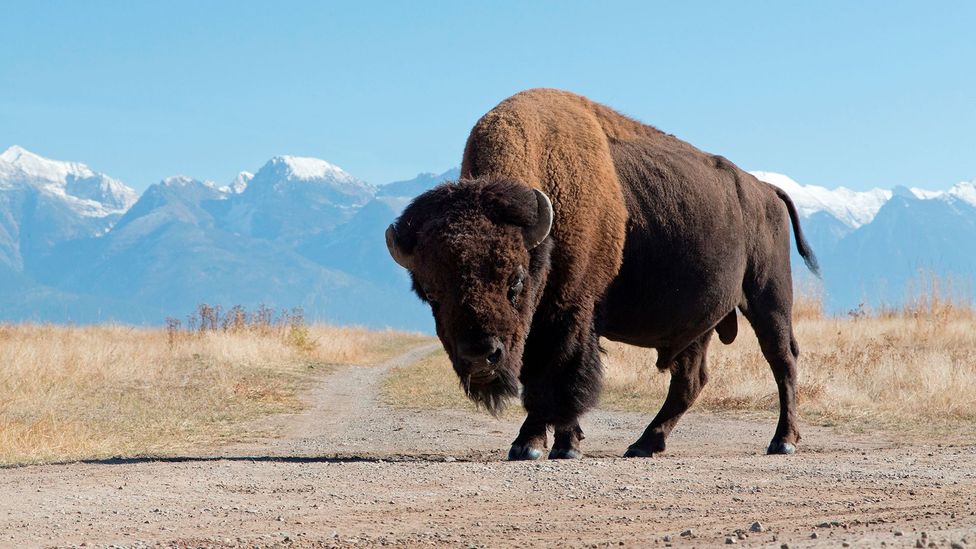
THE NATIONAL ANIMAL AS THE WINNER OF GOOD CONSERVATION POLICY
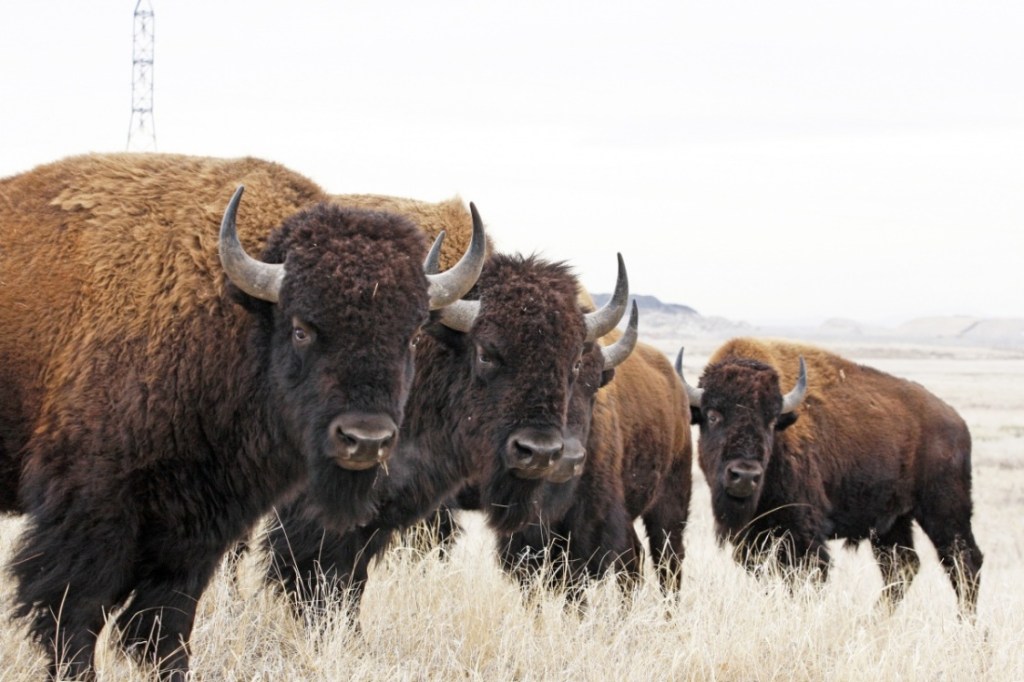
On November, 4th, it was a National Bison Day and my friends from the U.S. shared proudly the information that bison is actually the mascot of American identity. Then I investigated deeper and can confirm that the bison is the largest mammal of North America and together with bald eagle, presents the strength and unity of American people. Nevertheless, the stable place of bison in American ecosystem has been the result of devoted scientists who have worked with tribes, official authorities and ensured the security of buffalo.
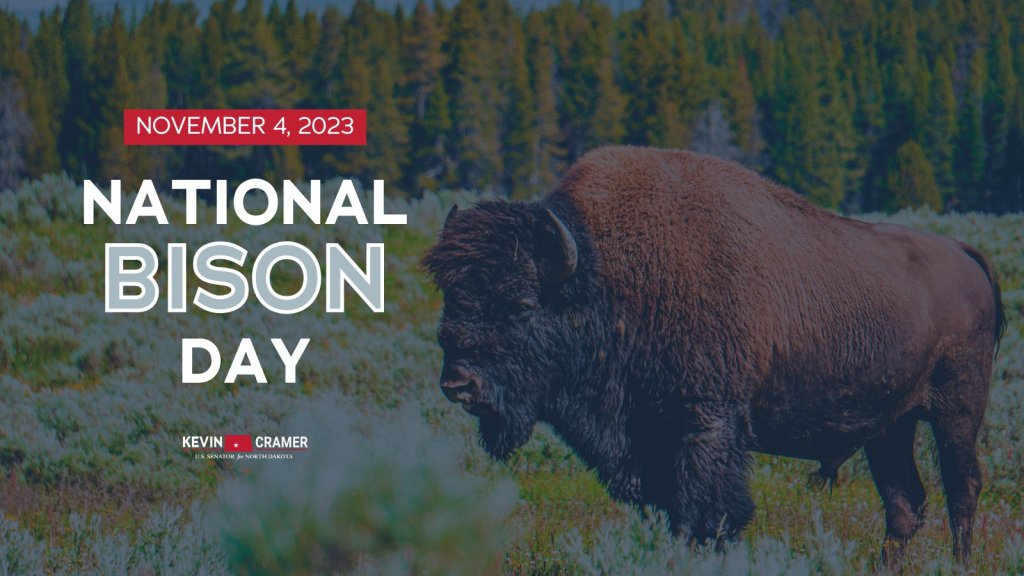
Teddy Roosevelt was one of those people who did a lot for the safety of those brilliant animals. He was a hunter who used hunt bison but he saved them from extinction. In 1883, he traveled to the Dakota for his hunting activity but he came back to NYC with the new purpose and mission, to help bison survive. So, yes, people sometimes change for a good. In 1905, Teddy grounded American Bison Society, together with William Hornaday and they supported the long way of fight for bison rights. Nowadays, they live in all 50 states, including Tribal area, wildlife refuges and national parks as well as private lands.
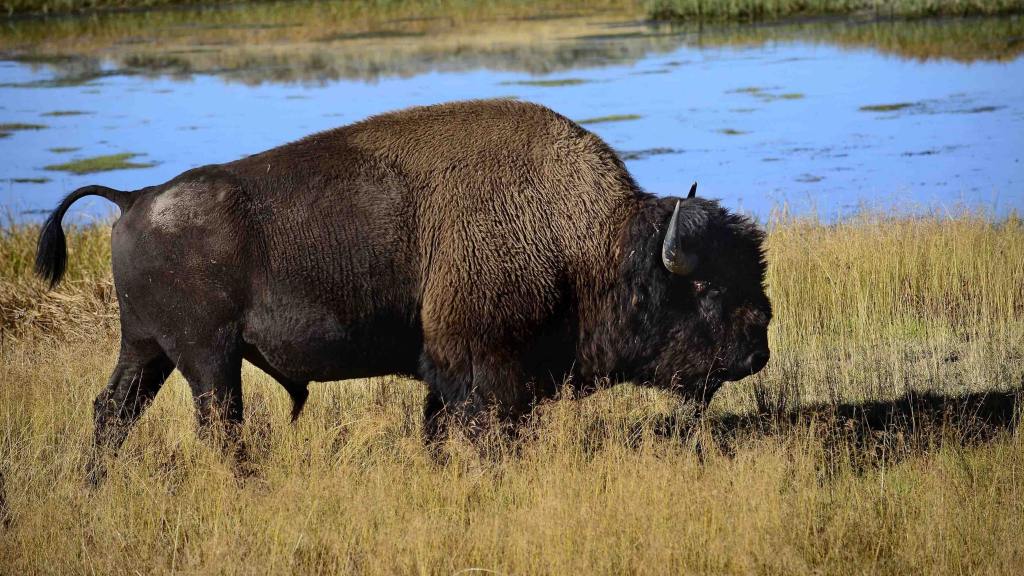
On May 9th, President Obama signed the National Bison Legacy Act into law, which put the American bison as the national mammal of the United States. The majestic animal finally received the right to enjoy fully the landscape of the continent that has been their home since the early ages. According to the statements, buffalos roamed the territory of North America from the Alaska and the grasslands of Mexico, over Nevada´s Great Basin to the Appalachian Mountains. Unfortunately, by the late 1800s, there were only a few hundred bisons left in the United States, after European settlers ruined all area and took the habitat from the indigenous people and animals. Why I am not surprised ? All tragedy started with colonisation of Americas by Europeans.
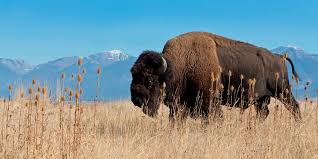
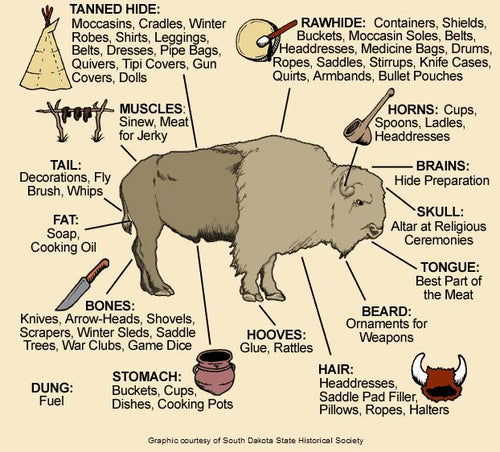
It is very interesting to know that bison and buffalo means the same but it is quite correct to use word bison as it is a scientific name while other is just the derivation of French word “boeuf” for beef. If you want to see them, the best option is to search for them in the Yellowstone National Park which is their habitat from the beginning. We shouldn’t forget that those animals have followed the destiny of Native Americans and are the part of their culture and special relations with the nature. These animals provided the tribes with food, clothes, tools, shelters and spiritual values. They haven’t been chased for fun or sport but for survival of the ancient people. They are not only interesting for local people and their community but for the whole ecosystem since they are key-players and managers of healthy biodiversity:” They graze native grasses, their hooves turn up the soil, and their droppings fertilize it. Even the wallowing of bison changes and balances the tall grass prairie’s biodiversity by affecting the insect populations. Prairie dogs and other animals prefer to live in areas grazed by bison so they can spot predators more easily. One endangered species of butterfly is becoming more abundant since the reintroduction of bison to their range. Bisons’ grazing has created conditions favorable for plants these butterflies use as a food source.”
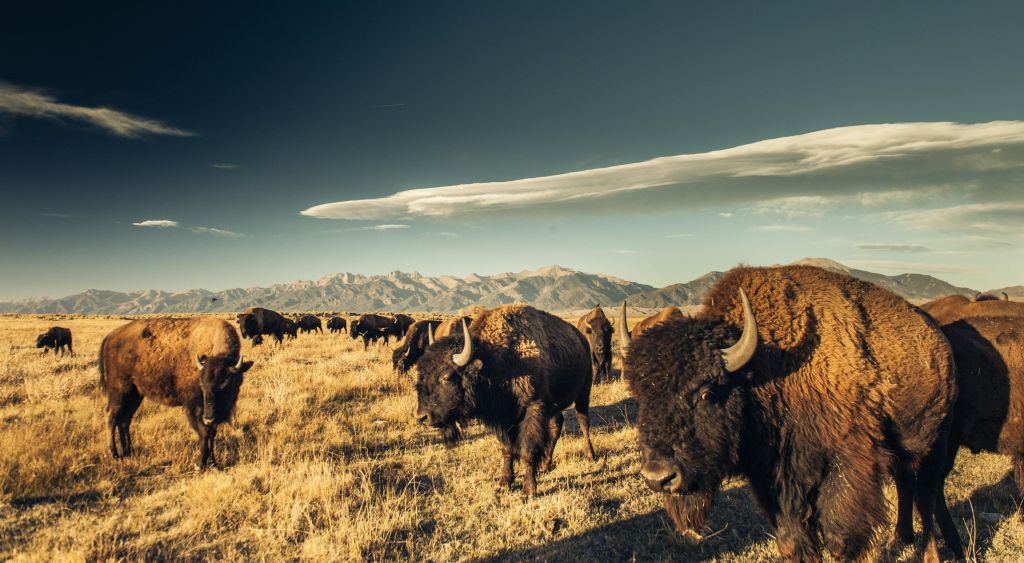
They are so beautiful animals especially having in mind their size and elegance. The male ( bull) is usually from 11 to 12,5 feet long ( 3,5 m ) and weight up to 2,000 pounds (1,000 kg) and the female ( cow) is smaller, from 7-10 feet in length (2,5-3 m), weight up to 1,000 pounds ( 500 kg). The bison calve or the red dog is actually born between March and May and has orange -red in colour that is turning in dark brown, few months later. Today, if we look up for their genetic background, only 8,000 individuals have purity and the rest is hybridised to some degree, with domestic cattle. There is some similarity, of course, but if you try to make a difference between males and females based on horns, you won’t have a success. They both have horns but you might know how old are they:”Both sexes have horns beginning around two years old. They then have a stage called a ´spike-horn,´ where the horns develop at a 45-degree angle. This lasts until they are around four years old. Horns start black but turn grey as the buffalo ages. Adult horns curve upward, and the tips start to become blunted and shorter after about age eight.“
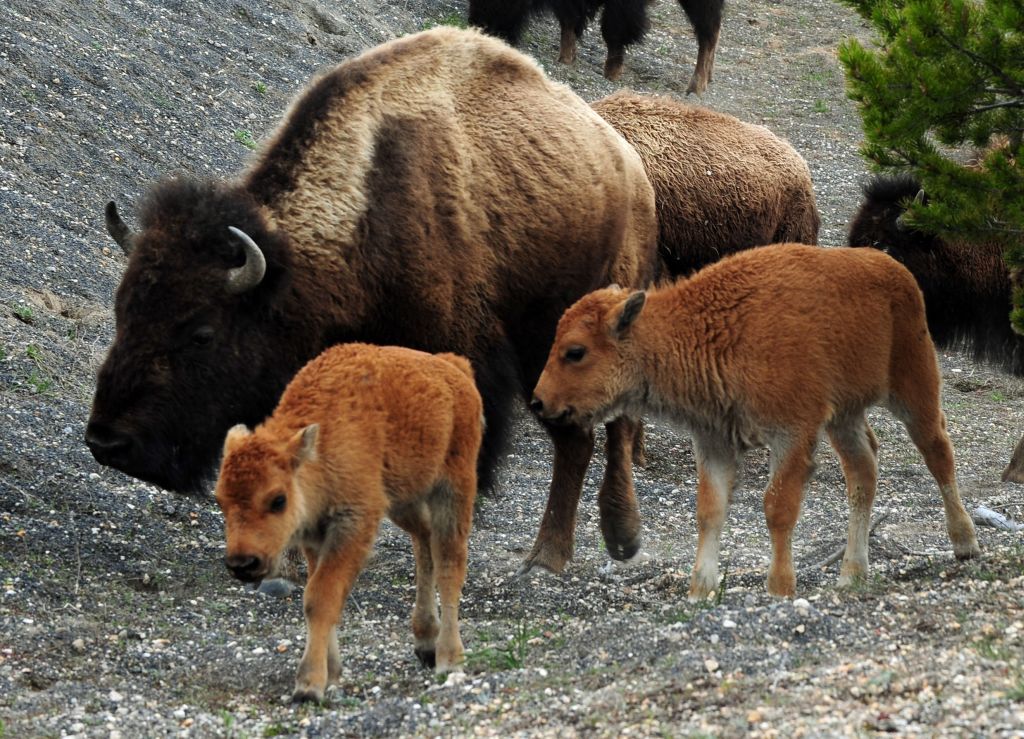
Beside it, they don’t mood or low. They have their wildlife vocals for communicating, like grunt, growl or snort. It seems that animals developed the special vocabulary for mating season or for parenting period. Each time has its way of expressing. In the meantime, they can run fast and furious so you better run. The injury that they could produce is not to be underestimated. In the U.S. there were numerous injuries by the tourists, caused from the side of bison, only because people didn’t follow the rules and kept the distance. The animals protect their area and they will chase you away if you are there and penetrant. I assume that so called tourists do not think that one bison, as cute as It is, could reach the agile and fast run to get you and eventually harm you, with goal to protect its own group and territory. This is a legitimate right of one wild animal and the visiting people should be better educated and informed how to behave in the wilderness instead for overstepping the distance and producing obstacles.
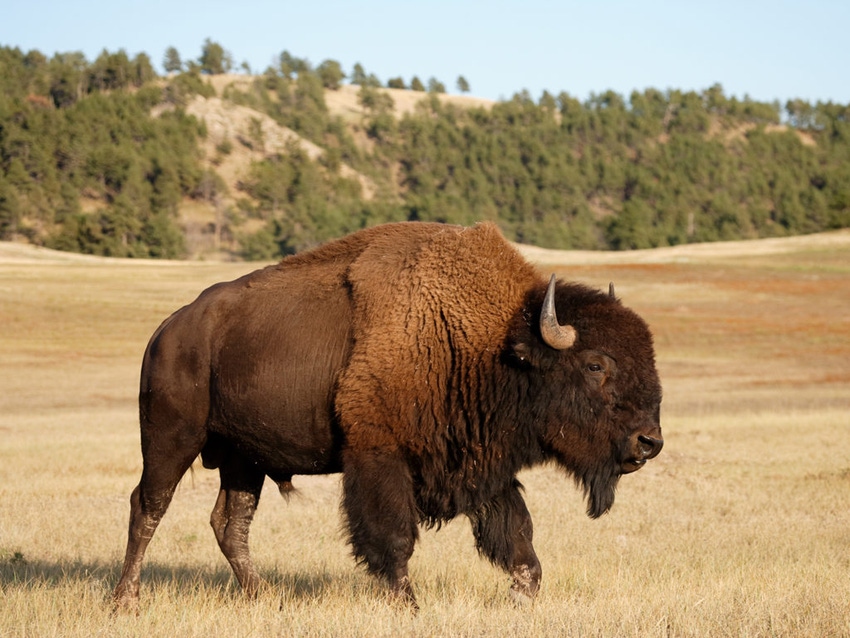
The buffalo as we like to call it is a giving animal, according to the philosophy of Native Americans. It has been always linked to the prosperity and hope after the challenging time. It was written that even today the Sioux, Cherokee, Commanche and Navajo celebrate the birth of a white buffalo as a sacred omen, as the shinning proof that bad times have been gone or ended. This is related to the good luck that comes with white buffalo that is rare and unique but more common nowadays than it was 2,000 years ago.
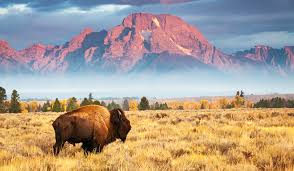
The fascinating Native American culture shows us, once again, how important is the bond between humans and animals, creating the network of souls that work for Mother Nature. When we are so far away from our ancient spirit, we risk to loose the connections and to turn into the soulless form that is just wandering without wondering. The Great Bison is the proof that some miracles are still among us.
I


A beautiful article, Sarah ! I have always been fascinated by Bisons. They are so majestic, so powerful, yet gentle ! Thank you for the education as always !
LikeLike
Sarah’s informative and interesting article reminded me of the scenario in the film ‘Dances With Wolves’ (1990), when Lt. John J. Dunbar is trying to explain the word ‘buffalo’ to Sioux warriors, whose own word for the mammal is ‘tȟatȟáŋka’…
The actual noun ‘buffalo’ derives from the Ancient Greek ‘βούβαλος’ (i.e. bubal hartebeest of Africa, which became extinct in the early-20th century by being hunted by humans).
The North American bison (i.e. the largest land mammal of North America, with the largest mammal being the Right whale off the territorial coasts of North America) first emerged in Central Asia about 2.6 million years ago; evolving into the Siberian steppe bison. They first appeared in North America c. 200,000 years ago, crossing the ice-covered Bering Strait to Alaska.
Over the following millennia, they moved across North America and split into different species. Prehistoric peoples revered bison both in Europe and North America, as their cave art reveals. The tribes of North America that evolved around 6,000 years ago began to incorporate the buffalo into their mythology and culture, as they considered the buffalo a gift of Nature with spiritual quality.
It was Europeans who almost made the North American bison extinct, as they did not revere the animal, at all.
LikeLike